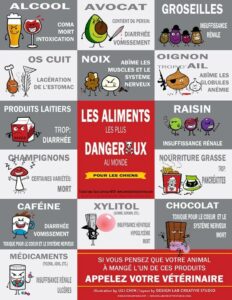
Plants toxic to our dogs
Dogs are curious by nature. They like to chew, scratch, rummage, sniff, play with leaves that move in the wind or eat fruit that has fallen to the ground.
Toxic plants can cause digestive, nervous or cardiac problems in our little ones.
Here is a list of 95 toxic plants: indoor plants, outdoor plants and trees.
To make it easier for you to find your way around, this non-exhaustive list is in alphabetical order and not in descending order of danger.
If in doubt, call your veterinarian or the poison control center immediately.
The best protection against poisoning lies in vigilance and prevention. Dogs, especially young ones, are naturally curious and may chew on plants without us noticing.
When walking, keep an eye on your dog, observe the plants around you.
At home, secure the plants by putting them out of reach (up high, or behind a fence), and collect the fruit as it falls.
In the last paragraph you will find out what the symptoms are and what to do in case of poisoning.
Generally, animals ingest small quantities, and if they find the taste unpleasant (bitter or irritating), they stop spontaneously. The poisoning remains mild.
Most plants induce digestive disturbances so that the animals vomit most of it, which promotes the expulsion of toxins.
The toxicity of plants varies depending on the variety, its maturity, the part ingested by the animal, and whether the plant has been chewed or not. Nevertheless, some plants are truly highly toxic and can cause serious illness or even death.
Here is a non-exhaustive list
of 95 poisonous plants and trees
- Abrus
- Acacia
- Aconit napel
- Aloe vera
- Amaryllis
- Arbutus
- Citrus trees
- Fruit trees
- Arum
- Azalea
- Begonia
- Belladonna
- Giant hogweed
- boxwood
- Calla
- Cannabis
- Monk’s hood
- Oak (: the acorns)
- Chlorophytum
- Chrysanthemum
- Chives
- Clematis
- Colchicum
- Poppy
- Coronilla variegata
- Crocus
- Croton & Rubber
- Japanese cycas
- Cyclamen
- Laburnum
- Dahlia
- Datura
- Dieffenbachia
- Foxglove
- Dragon Tree or Dracena
- Rosehip
- Epipremnum aureum
- False jasmine
- False philodendron
- Ficus
- Moon Flower
- Fragon
- Wintergreen
- Geranium
- Gladiolus
- Wisteria
- Mistletoe
- Hydrangea
- Holly
- Yew
- Iris
- Hyacinth
- Jasmine
- Daffodil
- Kalanchoe
- tongue of fire
- Lantana
- Cherry laurel
- Oleander
- Climbing ivy
- Lily
- Sorrel
- Marijuana
- White or yellow sweet clover
- Japanese Mimosa
- Monstera
- Nightshade
- lily of the valley
- Blackberry
- Narcissus
- Snowdrop
- Little hemlock
- Philodendron
- Photinia
- Ornamental chili pepper
- Poinsettia or Christmas Star
- Sweet peas
- Love apple
- Primrose
- Plum & Blackthorn
- Buttercup
- Rhododendron
- Rhubarb
- Castor bean plant
- Robinia pseudoacacia
- Sago palm or Cycas
- Sanseveria
- Buckwheat
- Schefflera
- Rowan tree
- Spathiphyllum
- Privet
- Tulip
- Virginia creeper with berries
- Yucca

Other plants and trees we might encounter on our walks are toxic:
Acalypha, Allamanda, Agapanthus, Agave, Aucuba (Japanese holm oak), Avocado, Coffee, Hornbeam, Eucalyptus, Fig, Ginkgo Biloba (female, male, not toxic), Bay, Wild Cherry, Mexican Orange Blossom, Pieris, Squill, Elderberry, Thuja, Grapevine, Xanthosoma…
But also: allspice, cloves, curry, hops, marjoram, mustard seeds, paprika…
The list goes on!
1-Abrus

The leaves, flowers, and especially the berries are toxic. Ingestion causes hemorrhagic gastroenteritis and, in severe cases, neurological symptoms (muscle tremors, convulsions) and death.
Fabaceae family (Faboideae subfamily): Abrus, Japanese Mimosa (Poinciana), Robinia pseudoacacia, Wisteria, Laburnum.
2-Acacia

It is considered moderately toxic, as your pet would need to ingest a significant amount in a very short time to become poisoned.
However, be aware that ingestion can cause hemorrhagic gastroenteritis or neurological symptoms in severe cases.
Signs of poisoning may include lethargy, vomiting, diarrhea, loss of appetite, or seizures.
Fabaceae family (Mimosoideae subfamily): acacia, cassia, mimosa, mulga, tamarind.
3-Aconit napel
(Aconitum napellus)

Monkshood (Aconitum napellus) is also known as Jupiter’s Helmet. This ornamental plant is extremely toxic. The diterpenoid alkaloids present in the plant, especially aconitine, have powerful negative effects.
Symptoms: Nervous and cardiovascular system disorders. At high doses, the toxic effects can lead to cardiac or respiratory arrest.
Ranunculaceae family such as creeping buttercup, pasque flower or nigella.
4-Aloe vera
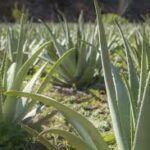
Aloe vera is a plant highly valued for its therapeutic properties, but also very common in homes as a decorative plant.
The saponins and aloins contained in its leaves are highly toxic to dogs, which may chew the leaves or lick the sap.
Symptoms: severe digestive problems, irritation, and even neurological disorders.
It belongs to the Liliaceae family, but its growth pattern is similar to that of cactus.
5-Amaryllis

Poisoning occurs through ingestion of the bulbs or leaves. It is mainly characterized by the classic combination of symptoms: salivation, vomiting, and diarrhea.
Rarely, nervous symptoms (sedation, convulsions) and cardiovascular symptoms (hypotension, slowed heart rate) may appear.
Amaryllidaceae family: daffodil, snowdrop, silphiums, amaryllis, clivia, and vegetables such as onions, chives, leeks and garlic.
6-Arbutus
(Arbutus)
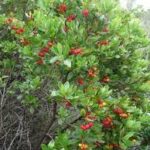
The strawberry tree, sometimes called the strawberry tree, is a shrub species that grows throughout the Mediterranean region. Its fruit is called an arbutus berry. It can also be found in other regions because it is a hardy shrub.
As a reminder, grapes are toxic to dogs because they are high in tannins.
It can cause mild colic and vomiting.
Ericaceae family, a family of flowering plants (Angiosperms) in the order Ericales.
7-Citrus trees

Citrus fruits are dangerous for dogs, whether through contact or ingestion.
Symptoms: irritation and sometimes digestive upset.
Rutaceae family, three genera: Fortunella, Poncirus, and Citrus.
8-Fruit trees

The pits and seeds are toxic to animals. Once swallowed, they release a deadly toxin, hydrogen cyanide. The pits can also become lodged in the trachea and cause suffocation.
9-Arum
(Zantedeschias)
See Calla
10-Azalea
(Rhododendron ferrugineum)

The azalea is a beautiful plant, but all its parts are toxic!
Even in very small doses, ingestion causes oral irritation and digestive problems.
At high doses, the toxins cause muscle tremors, paralysis, ataxia and bradycardia, arrhythmia, and liver complications that can lead to death.
The andromedotoxin present in the plant becomes lethal at doses as low as 0.2% of body weight consumed. (A 10 kg dog risks its life by ingesting only 20 grams of leaves).
Ericaceae family: Azalea, Heather, Rhododendron
11-Bégonia
(Begonia obliqua)

Poisoning from ingesting begonias is relatively rare. This is because the most toxic part of the plant is located in the roots.
Begoniaceae family: rex begonia, bamboo begonia, tuberous begonia, hardy begonia…
12-Belladonna
(Atropa belladonna)
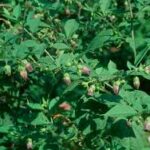
Poisoning from fresh plants is rare because the taste of these plants seems really repulsive.
The plant contains compounds similar to atropine. This causes constipation, dilated pupils, rapid heartbeat and breathing, increased thirst and urination, muscle tremors… Symptoms usually disappear within 2 to 6 days. Poisoning is rarely fatal.
Solanaceae family: Belladonna, Datura
13-Giant Hogweed
(Heracleum mantegazzianum)

This plant causes serious problems in both pets and humans.
The plant’s stems and leaves contain toxins that can cause skin burns and blisters. The toxin is more concentrated in the sap, which is released when the plant is damaged or broken.
Apiaceae family (Umbelliferae)
14-Boxwood
(Buxus sempervirens ‘Angustifolia’)

This small, bushy shrub is often found in hedges or borders. It has dense, evergreen foliage. The flowers are white and grow in clusters.
All parts of the plant are toxic, and poisoning occurs through ingestion. Boxwood is bitter, so the amount ingested is usually small. However, a few grams of leaves can be enough to kill a small dog.
Symptoms: onset within the first few hours, vomiting, diarrhea. When a larger quantity has been ingested, the animal may appear lethargic, have convulsions, or even experience paralysis.
Buxaceae family
15-Calla
(Zantedeschia aethiopica)

The calla lily, more commonly known as arum lily, is a bulbous plant that is entirely toxic. It contains calcium oxalate, and its ingestion can cause convulsions, swelling of the mouth, tongue, and lips, as well as excessive salivation.
Araceae family
16-Cannabis

It is highly toxic, causing severe nervous depression that can lead to death.
Cannabaceae family, a botanical branch closely related to hops.
17-Monk’s Hood
(Arisarum vulgare)
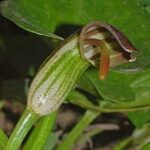
Monk’s Hood contains calcium oxalate, which causes severe irritation of the mouth and throat if ingested.
Symptoms: salivation and vomiting.
Araceae family
18-Oak
(Quercus)

The fruits of oak trees (acorns) are dangerous because they are toxic if ingested. Dogs may eat them playfully or out of gluttony.
Green acorns are much more dangerous than ripe ones. Problems can arise after a single ingestion of a large quantity of acorns, but more often than not, they result from the prolonged ingestion of smaller amounts. The dog may mistake this for a game and repeat the habit.
Signs of poisoning include lethargy, vomiting, constipation followed by diarrhea. The liver is more affected than the kidneys. Treatment is difficult once symptoms appear. It is essential to prevent your dog from playing with or eating acorns in the garden or during walks.
Fagaceae family: oaks, holm oaks, cork oaks, beeches, birches, chestnut trees, hazel trees, alders…
19-Chlorophytum
(Phalangium)

The toxins are present in the bulbs and to a lesser extent in the leaves. In small doses, these plants cause local irritations: mouth (excessive salivation), digestive system (vomiting, diarrhea), skin (dermatitis, etc.). Recovery is generally achieved within 1 or 2 days.
Family of lilies with digestive toxicity: Tulip, Chlorophytum (Phalangium), Hyacinth, Sansevieria.
20-Chrysanthemums
(Chrysanthemum sp.)

They contain pyrethrins, which affect the digestive and nervous systems.
Asteraceae family
21-chives
(Allium schoenoprasum)

Chives, also known as civet, are toxic to pets (in all their forms: fresh, dried, powdered, etc.). They contain n-propyl disulfide, which causes oxidative damage, blood pressure problems, and other health issues.
Symptoms vary depending on the amount consumed, including gastrointestinal problems, weakness, lethargy, etc.
Amaryllidaceae family (formerly Liliaceae or Alliaceae): garlic, onion, leek (they are also toxic to animals).
22-Clematis
(Clematis)

Fortunately, their bitter taste repels dogs.
However, if ingested, the following symptoms may occur: skin irritation, diarrhea, and excessive salivation.
Ranunculaceae family
23-Colchique
(Colchicum)

It is highly toxic and can affect many organs, potentially causing death.
Colchicaceae family
24-Poppy
(Papaver)

Poppies, especially their unripe seeds, are dangerous for dogs. Ingestion can cause respiratory problems and a slowed heart rate.
Papaveraceae family: These plants almost all contain alkaloids that can be toxic.
25-Variegated crown vetch
(Coronilla varia)
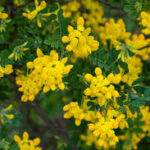
All parts of the plant are highly toxic. The toxicity due to cytisine present in the plant affects the dog’s nervous system.
Within 4 to 5 hours after ingestion: appearance of dilated pupils, motor problems, nervousness, dizziness, salivation and convulsions.
In severe cases, coma and then death by asphyxiation occur within 4 hours of the onset of the first symptoms.
Fabaceae family
26-Crocus

The autumn crocus is toxic in all its parts, but particularly the bulb, flowers, and seeds. It contains tropane alkaloids, which are extremely toxic to dogs and can cause serious kidney problems, organ failure, and even death.
Iridaceae family: crocuses, irises, gladioli…
27-Croton
(Codianeum variegatum)
& Rubber

This fairly common houseplant can cause irritation and vomiting in animals.
Family Euphorbiaceae, subfamily Crotonoideae: Croton Petra, Croton Tamara, Croton Iceton, Croton Mammi.
28-Cycads

The cycad is found in our gardens but also in pots indoors. It resembles a small palm tree.
The leaves and seeds contain substances that are highly toxic to the liver. Just two seeds are enough to kill a small dog.
Symptoms appear at different times depending on the individual: from one hour after ingestion to two or three days later.
The first signs are digestive (vomiting, diarrhea) followed by neurological symptoms (tremors, weakness, gait disturbances). The mucous membranes may appear yellow.
The prognosis is guarded or even poor, depending on the extent of liver damage. The chances of recovery depend largely on the speed of intervention.
The Gymnosperm group, which includes conifers.
Cycadaceae family
29-Cyclamen

The leaves, stems, but especially the roots of the Cyclamen are toxic.
The sap is irritating. Ingestion of the roots leads to destruction of red blood cells, gastroenteritis, convulsions and can eventually result in the death of the animal.
Primulaceae family
30-Cytise
(Laburnum anagyroides)
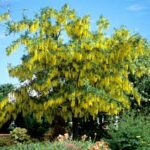
The leaves, flowers, and especially the berries are toxic.
Ingestion causes hemorrhagic gastroenteritis and, in the most severe cases, neurological symptoms (muscle tremors, convulsions) and then death.
Family: Fabaceae or Legumes: Abrus, Japanese Mimosa (Poinciana), Black Robinia pseudoacacia, Wisteria, Laburnum.
31-Dahlia
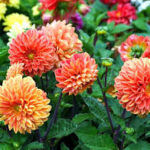
The dahlia is toxic but not very dangerous.
Irritation, itching, and digestive upset are relatively minor.
Asteraceae family, Asteroideae subfamily
32-Datura

Poisoning from fresh plants is rare because the taste of these plants seems really repulsive.
The plant contains compounds similar to atropine. This causes constipation, dilated pupils, rapid heartbeat and breathing, increased thirst and urination, muscle tremors… Symptoms usually disappear within 2 to 6 days. Poisoning is rarely fatal.
Nightshade family: Belladonna, Datura
33-Dieffenbachias

The leaves and stems of Dieffenbachia are toxic. Despite this, the risk of poisoning is very low. Its leaves are highly irritating, and dogs usually spit out any ingested pieces very quickly. After this unpleasant experience, there is very little chance they will do it again.
The latex found in the stems and leaves can be caustic and cause severe oral pain, salivation, and swelling of the tongue and throat, which can interfere with swallowing and breathing. Nausea, vomiting, and diarrhea may occur after ingestion or licking. When latex gets into the eye, it can cause severe irritation that may lead to ulceration.
Araceae family also includes the Philodendron and the Monstera.
34-Digital

This plant is highly toxic.
Symptoms appear 2 to 3 hours after ingestion. These are generally digestive, neurological (tremors, weakness, etc.), and cardiac problems. The animal may also have difficulty urinating. Traces of blood may be visible.
Scrophulariaceae family: approximately twenty species of highly toxic herbaceous plants.
35-Dragon Tree
(Dracaena)

The dragon tree, or Dracaena fragrans, is an air-purifying plant for your home, but it is also toxic, causing vomiting in most cases.
Asparagaceae family: Agave, Anthericum, Aphyllanthes, Asparagus, Convallaria, Loncomelos, Muscari, Ornithogalum…
36-Wild rose
(rosa rubiginosa)

Rosehip poisoning occurs through the ingestion of the leaves, flowers, or branches.
The leaves and flowers contain cyanogenic glycosides. Ingested in large quantities, the hydrocyanic acid produced by fermentation of these cyanogenic glycosides can cause respiratory and nervous system disorders.
Rosaceae family
37-Epipremmum aureum

All parts of this exotic-looking plant can be dangerous. This includes the roots, leaves, and even the seeds.
Ingesting any part of the plant can cause diarrhea, vomiting, and even liver failure.
Araceae family: Alocasia, Caladium, Colocasia, Hestia, Monstera, Philodendron, Sauromatum, Zamioculcas…
38-False jasmine
(Solanum)

It is the fruit in particular that is toxic. It triggers excessive salivation, gastroenteritis, and, in rare cases, neuromuscular symptoms (drowsiness, incoordination, sometimes convulsions). Recovery is usually complete within a few days.
Solanaceae family: Belladonna, Datura
39-False philodendron
(Monstera deliciosa)
See Monstera
40-Ficus

The ficus is a common ornamental plant in our homes. Its toxicity is linked to its sap, which has highly irritating properties.
Symptoms: vomiting, diarrhea, mouth irritation and salivation.
Sap spraying into the eyes can cause corneal damage. In cats, it can lead to facial swelling and kidney damage.
Moraceae family
41-Moonflower
(spathiphyllum)

It’s a plant with white, red, or green flowers, commonly found in our homes.
Poisoning occurs through ingestion or chewing of the plant. The sap has irritating and toxic properties.
Symptoms: salivation, vomiting, diarrhea. Your pet may experience difficulty breathing and kidney problems. Damage can be severe and appear up to 2 weeks after ingestion.
Araceae family
42-Fragon
(Ruscus aculeatus)
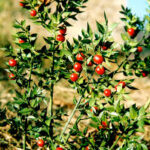
This small holly is often included in bouquets during the Christmas season. The small red berries can be ingested, with relatively mild effects, unless a large quantity is consumed.
Symptoms: diarrhea or vomiting. (The leaves are never eaten because they have prickly edges).
Asparagaceae family
43-Wintergreen
(Gaultheria)
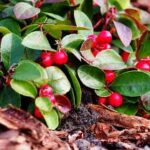
It contains methyl salicylate, a substance that can be toxic to dogs if ingested.
Ericaceae family
44-Geraniums

They contain two types of terpene alcohols: geraniol and linalool, which are highly irritating to the digestive tract and cause vomiting, loss of appetite, and lethargy.
Geraniaceae family, 4 genera: Geranium, Pelargonium, Erodium, and Monsonia.
45-Gladiolus
(Gladiolus)

This plant is toxic. Ingestion of any part causes excessive salivation, vomiting, copious drooling, lethargy, and diarrhea in animals.
Iridaceae family: crocuses, irises, gladioli
46-Wisteria
(Wisteria)
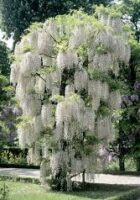
The leaves, flowers, and especially the berries are toxic. Ingestion causes hemorrhagic gastroenteritis and, in severe cases, neurological symptoms (muscle tremors, convulsions) and death.
Fabaceae or Legumes family: Abrus, Japanese Mimosa (Poinciana), Robinia pseudoacacia, Wisteria, Laburnum
47-Mistletoe
(Viscum album)
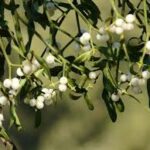
Clinical signs appear within hours of ingesting the berries and depend on the amount ingested.
The animal exhibits excessive salivation, vomiting, and sometimes bloody diarrhea. Neurological symptoms may appear, such as an abnormal gait, uncoordinated movements, balance problems, paralysis, and can progress to coma. Ingestion of large quantities of berries can be fatal.
Santalaceae family
48-Hydrangea
(Hydrangea arborescens)

Hydrangeas are toxic to dogs because they contain numerous harmful substances (including hydrogen cyanide) that can cause vomiting, diarrhea, and cardiac and neurological problems.
Hydrangeaceae family
49-Holly
(Ilex aquifolium)

Holly leaves and berries are also toxic to pets if ingested.
They may exhibit digestive symptoms (diarrhea, vomiting, etc.) or even neurological symptoms (drowsiness, coma, etc.) if a large quantity of berries is ingested.
Aquifoliaceae family
50-yew tree
(Taxus)

The is one of the most deadly plants.
It is a conifer often used as a hedge in gardens or as a specimen tree. Its berries and needles are extremely toxic; the concentration of toxic alkaloids is highest in autumn.
Ingesting this plant, even in small quantities, can lead to balance problems, convulsions, and then death very quickly.
Taxaceae family
51-Iris

Poisoning occurs through ingestion of the bulbs or leaves. It is mainly characterized by the classic combination of symptoms: salivation, vomiting, and diarrhea.
Rarely, nervous symptoms (sedation, convulsions) and cardiovascular symptoms (hypotension, slowed heart rate) may appear.
Iridaceae family: crocuses, irises, gladioli…
52-Hyacinth
(Hyacinthus)

The toxins are present in the bulbs and to a lesser extent in the leaves. In small doses, these plants cause local irritations: mouth (excessive salivation), digestive system (vomiting, diarrhea), skin (dermatitis, etc.). Recovery is generally achieved within 1 or 2 days.
Liliaceae family with digestive toxicity: Tulip, Chlorophytum (Phalangium), Hyacinth, Sansevieria
53-Jasmine
(Jasminum)
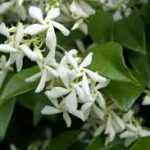
Star jasmine is dangerous if ingested in large quantities.
It can cause mild digestive upset in pets. In more severe cases, neuromuscular disorders.
Oleaceae family
54-Daffodil

The plant is toxic. Ingesting daffodil bulbs or flowers can cause symptoms such as vomiting, excessive salivation, and abdominal pain. In severe cases, breathing difficulties, tremors, and even convulsions may occur.
Amaryllidaceae family: daffodil, snowdrop, silphiums, amaryllis, clivia, and vegetables such as onions, chives, leeks and garlic.
55-Kalanchoe
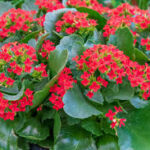
A highly toxic houseplant that can cause bloody diarrhea and cardiorespiratory problems. Family: Crassulaceae
56-Tongue of Fire
(Anthurium Andreanum)

The sap of the entire plant is toxic. If a fragment is put in the mouth, it can cause severe irritation. Given the rapid onset of pain, the irritation is often limited to the lips or the front of the mouth.
Symptoms: irritation, nausea or vomiting.
Araceae family
57-Lantana
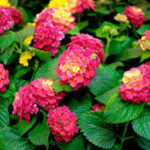
Lantana can be found as a tree but also grown in pots.
All parts of the lantana plant are toxic to pets. Special care must be taken with the berries, as they have a very high concentration of toxins.
Symptoms: vomiting and diarrhea.
Verbenaceae family
58-Cherry laurel
(prunus laucerasus)
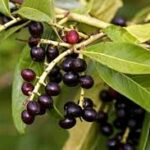
Cherry laurel is a rosaceous shrub, very commonly found and often used to form hedges.
Ingestion can lead to death following respiratory and possibly neurological problems. In moderate cases, symptoms may lessen. Otherwise, death usually occurs rapidly.
Rosaceae family: Roses, meadowsweet, rowan trees, photinias…
59-Oleander
(Nerium oleander)
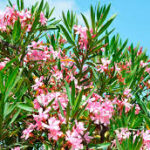
This beautiful Mediterranean shrub is one of the most dangerous. Its wood, leaves, and flowers are all toxic.
The toxic dose is approximately 3 grams of leaves per kilogram. The entire plant contains both irritants and cardiotoxic substances. Even the water in which its branches are soaked is toxic! Even when dead and dried, it is a true poison! The smoke from burning oleander can also be dangerous!
Vomiting occurs a few hours after ingestion and can last for several days. Neurological signs may follow, including loss of balance, seizures, and tremors. The animal quickly falls into a coma, leading to death.
Apocynaceae family
60-Ivy
(Hedera helix)

It contains highly toxic saponins that can cause vomiting and abdominal pain.
Araliaceae family
61-Lily
(Lilium longiflorum)

Although better known for its toxicity to cats, the lily can also pose a problem for dogs.
Symptoms: Digestive problems, possible kidney failure
The lily is an elegant plant that is only moderately toxic. If ingested by a dog: gastrointestinal signs may occur.
The cat is the primary species affected: it licks the pollen or even chews the entire plant. Ingesting just one leaf can unfortunately be fatal for a cat. The cat will frequently vomit. In severe cases, kidney failure is observed. The prognosis worsens depending on the severity of the kidney failure.
Liliaceae family
62-Sorrel
(Rumex)

Sorrel poisoning in dogs occurs when they ingest all or part of the plant, which contains toxins called soluble calcium oxalates.
Oxalic acid has significant corrosive effects on the digestive tract, skin, eyes, and respiratory mucous membranes. Ingestion can also lead to hypocalcemia and kidney failure.
Polygonaceae family: sorrel, rhubarb, buckwheat
63-Marijuana
(Cannabis sativa)
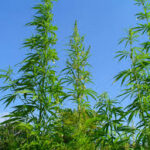
The toxic dose in dogs is 50 to 100 mg/kg of whole plant. The lethal dose is 3 g/kg of whole plant.
Cannabaceae family: Cannabis, Humulus…
64-White sweet clover
(Melilotus alba)
or yellow sweet clover
(Melilotus afficinalis)
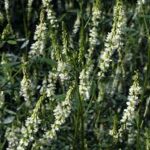
It presents a moderate risk of toxicity to dogs.
Family: Fabaceae or Legumes
65-Japanese Mimosa
(Poinciana)

The leaves, flowers, and especially the berries are toxic.
Ingestion causes hemorrhagic gastroenteritis and, in severe cases, neurological symptoms (muscle tremors, convulsions) and death.
Fabaceae or Legumes Family: Abrus, Japanese Mimosa (Poinciana), Black Robinia pseudoacacia, Wisteria, Laburnum
66-Monstera

The monstera is an increasingly popular decorative houseplant. Like aloe vera, these tropical plant species contain saponins and are therefore toxic to dogs.
The leaves and stems are filled with a white, viscous liquid, causing irritation and burning of the oral mucous membranes, skin burns, excessive salivation, vomiting, and even respiratory and neurological disorders in the most severe cases.
Araceae family
67-Nightshade
(Solanum)
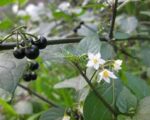
Nightshade is a plant with small, star-shaped white flowers that can easily be found while walking. Be wary of it, as its leaves, stems, roots, and berries (fruits) contain solanine, which is toxic to your pet. The ripe berries turn black.
This plant only causes symptoms when ingested for a prolonged period, mainly resulting in digestive and neurological disorders.
Also known as: mourelle, morette, amourette, raisin de loup, crève-chien, tue-chien, herbe à gale, herbe maure, herbe aux magiciens.
Solanaceae family
68-lily of the valley
(Convallaria majalis)

Also called the Seal of Solomon.
All parts of the plant contain substances that irritate the digestive tract, causing vomiting, salivation, and diarrhea, which may be bloody. Lily of the valley also contains substances toxic to the heart.
Nervous system disorders may subsequently appear, such as convulsions, uncoordinated movements, or tremors.
69-Blackberry
(Solanum nigrum)

Consumed in small quantities, they are not harmful.
Consuming too much of them can cause digestive problems in your dog, such as diarrhea, gas, or even vomiting. They also contain traces of xylitol, a potentially toxic substance.
Rosaceae family: Roses, meadowsweet, rowan trees, photinias…
70-Narcissus
(Narcissus)

Poisoning occurs through ingestion of the bulbs or leaves. It is mainly characterized by the classic combination of symptoms: salivation, vomiting, and diarrhea.
Rarely, nervous symptoms (sedation, convulsions) and cardiovascular symptoms (hypotension, slowed heart rate) may appear.
Amaryllidaceae family
71-Snowdrop
(Galanthus nivalis)

The plant is toxic. Ingesting daffodil bulbs or flowers can cause symptoms such as vomiting, excessive salivation, and abdominal pain. In severe cases, breathing difficulties, tremors, and even convulsions may occur.
Amaryllidaceae family: daffodil, snowdrop, silphiums, amaryllis, clivia, and vegetables such as onions, chives, leeks and garlic.
72-Little hemlock
(Aethusa cynapium)
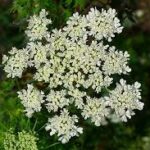
Common hemlock, also known as dog parsley, is a plant commonly found in gardens and along roadsides.
It contains conin, which can cause digestive and nervous system disturbances if ingested.
Apiaceae family (formerly Umbeliferae)
73-Philodendron

The Philodendron is very toxic.
The toxins are present in the sap (latex) that seeps out through wounds in the plant or exudes from the leaves. The latex is highly irritating to any tissue it comes into contact with. It causes excessive salivation, a burning sensation, respiratory distress, vomiting, and also keratitis, a corneal ulcer, if the sap gets into the eye.
The calcium oxalates contained in philodendron cause intense burning of the mucous membranes at doses as low as 0.5 grams per kilogram. For a small dog weighing 5 kg, even a single chewed leaf triggers a severe inflammatory reaction.
Araceae family
74-Photinia

Photinia is known to have a low level of toxicity for dogs, but the berries can be slightly toxic to pets.
Rosaceae family: roses, meadowsweet, rowan trees, thornbush, photinias.
75-Ornamental chili pepper
(Capsicum annuum)
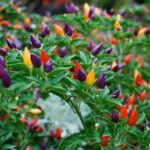
It is dangerous for dogs.
The fruit can cause gastric upset (vomiting and abdominal pain) and can even be fatal.
Solanaceae family
76-Poinsettia or Christmas Star
(Euphorbia pulcherrima)

Poinsettia leaves secrete a sap that can irritate your dog or cat’s mouth and esophagus.
If ingested, they may cause nausea or vomiting, but your pet would have to consume a significant amount for a more serious reaction.
Euphorbiaceae family
77-Sweet peas
(Lathyrus odoratus)
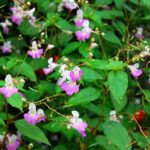
The sweet pea is a shrubby plant with seeds and pods that are toxic to dogs.
Fabaceae family
78-Love apple
(Solanum pseudocapsicum)

It is the fruits in particular that are toxic.
They trigger hypersalivation, gastroenteritis, and, in rare cases, neuromuscular signs (drowsiness, incoordination, sometimes seizures). Recovery is usually complete within a few days.
Solanaceae family
79-Primrose
(Primulaceae)

Primroses are common plants in our gardens.
They can be toxic to dogs if ingested, causing vomiting and diarrhea. They can also cause eye and skin irritation if your dog touches them.
Primulaceae family
80-Plum
(Prunus domestica)
Blackthorn
(Prunus spinosa)

The plum kernel contains the highest concentration of cyanide, but the roots and leaves are also extremely toxic.
Symptoms: difficulty breathing, excessive salivation, weakness, collapse, or persistent vomiting.
Rosaceae family: Wild cherry (extremely toxic; stems, leaves, and seeds all contain a form of cyanide)
81-Buttercup
(Ranunculus)
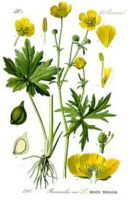
Buttercups are highly prized because their flowers are brightly colored and shaped like large pom-poms or buds. All buttercup species are dangerous to both humans and animals.
It contains a dangerous substance called proto-anemonin, which causes a kind of irritation or even a burning sensation when it comes into contact with a mucous membrane.
On the skin: blisters and itching, on the eye: inflammation of the eyelid or conjunctiva, if ingested: digestive disorders (vomiting, diarrhea, hypersalivation).
In severe cases, neurological and/or renal disorders or even death can occur within hours.
Also called: buttercup, Persian buttercup, coyote eye.
Ranunculaceae family
82-Rhododendron

All parts of the Rhododendron contain a toxic substance that can be fatal.
A very small dose causes oral irritation and digestive problems. A larger dose causes muscle tremors, paralysis, ataxia, bradycardia, arrhythmias, then liver complications and finally death.
Grayanotoxin present in rhododendron poses a deadly danger at doses of 3 grams per kilogram of dog weight.
Ericaceae family: Azalea, Heather, Rhododendron
83-Rhubarb
(Rheum rhaponticum)

Rhubarb belongs to the same family as buckwheat: therefore, it is also toxic! The toxicity of rhubarb is due to the calcium oxalate contained in this long stalk, which is edible for humans.
Symptoms caused by rhubarb ingestion in dogs include hypersalivation, vomiting, tremors, and in the most serious cases, the development of kidney failure.
Polygonaceae family: sorrel, rhubarb, buckwheat
84-Castor bean plant
(Ricinus communis)
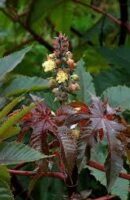
The castor bean plant is a shrub of tropical origin, used as an indoor ornamental plant. However, the seeds are highly toxic to your pet, even in small doses!
Ricin, the poison found in the castor bean plant, is approximately 6,000 times more toxic than cyanide. Ingesting just two or three seeds would be fatal for your small pet. The plant’s poison rapidly affects the kidneys and liver.
Within hours or a few days of ingestion, you may observe, in addition to lethargy, vomiting and bloody diarrhea in your pet.
The reaction can be fatal if a large quantity is ingested. Consuming just a few seeds can lead to the death of a small dog.
Euphorbiaceae family: Euphorbia, Croton, Phyllanthus
85-Robinia pseudoacacia

The leaves, flowers, and especially the berries are toxic. Ingestion causes hemorrhagic gastroenteritis and, in severe cases, neurological symptoms (muscle tremors, convulsions) and death.
Legume family: Abrus, Japanese Mimosa (Poinciana), Robinia pseudoacacia, Wisteria, Laburnum
86-Sago palm or Cycas

It is a species of palm tree. The leaves and seeds are highly toxic.
Just 2 seeds are enough to cause the death of a small dog from severe liver damage.
Arecaceae family
87-Sanseveria

The toxins are present in the bulbs and to a lesser extent in the leaves. In small doses, these plants cause local irritations: mouth (excessive salivation), digestive system (vomiting, diarrhea), skin (dermatitis, etc.). Recovery is generally achieved within 1 or 2 days.
Liliaceae family with digestive toxicity: Tulip, Chlorophytum (Phalangium), Hyacinth, Sansevieria
88-Buckwheat
(Fagopyrum esculentum)

Buckwheat is an edible plant for humans, mainly used as flour for preparing typical dishes. It is also a plant that can be grown in pots at home.
The plant contains rutin, chlorogenic acid and fagopyrine, which are toxic to your pet and will show tremors and intense salivation.
Polygonaceae family: sorrel, rhubarb, buckwheat
89-Schefflera
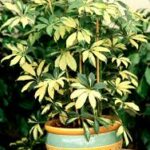
Schefflera is a flowering plant.
It causes severe symptoms including vomiting and balance problems.
Araliaceae family
90-Rowan tree
(Sorbus aucuparia)
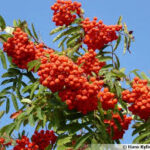
The rowan tree poses a risk of toxicity to dogs.
Its berries, in particular, contain parasorbic acid and cyanogenic glycosides. Ingesting large quantities of these compounds can lead to kidney damage or gastrointestinal disturbances, or even death.
Rosaceae family: Roses, meadowsweet, rowan trees, photinias…
91-Spathiphyllum
See Moonflower
Araceae family
92-Privet
(Ligustrum)

An ornamental shrub with highly fragrant white flowers and black berries. It is very common in gardens and used in hedges. It is also found growing wild in forests, thickets, embankments, and roadsides. The berries persist from winter to summer. The entire plant is toxic, and the berries in particular.
Although poisoning mainly affects herbivores, it can also occur in dogs if they ingest fresh leaves or fruit.
Signs of poisoning: digestive problems (abdominal pain, vomiting, diarrhea) associated with general symptoms, cardiac disturbances, and paralysis. Death can occur within 48 hours.
Oleaceae family: Ash, jasmine, privet
93-Tulip
(Tulipa)

The toxins are present in the bulbs and to a lesser extent in the leaves.
In small doses, these plants cause local irritations: mouth (hypersalivation), digestive system (vomiting, diarrhea), skin (dermatitis, etc.). The condition usually improves within 1 or 2 days.
Liliaceae family with digestive toxicity: Tulip, Chlorophytum (Phalangium), Hyacinth, Sansevieria
94-Virginia creeper with berries
(Parthenocissus quinquefolia)

Virginia creeper turns a vibrant red in autumn and is laden with blue berries. While this climbing plant is beautiful, the small blue berries are toxic to both humans and pets. The berries, seeds, and leaves contain oxalic acid. If ingested, the tiny, microscopic, and very sharp crystals cause intense burning of the oral mucosa.
Symptoms: vomiting, lethargy, anorexia, hypothermia, abdominal pain, oral pain, diarrhea.
Warning: clinical signs can appear 24 hours after ingestion and last for several weeks. (One bunch of grapes can be fatal to a 10kg dog).
Vitaceae family
95-Yucca

This shrubby plant is very common. All its parts are toxic. Yucca leaves are very hard, pointed, and rough, and are therefore almost never chewed by dogs. The roots pose the greatest danger.
In small doses, these plants cause local irritations: mouth (hypersalivation), digestive system (vomiting, diarrhea), skin (dermatitis, etc.). The condition usually improves within 1 or 2 days.
In the most serious cases, it can cause hypothermia and neurological disorders ranging from paralysis to coma.
Agavaceae family
What are the symptoms and what should be done?
Depending on the toxic plant ingested, and the amount swallowed, your dog may show many symptoms.
Here are a few examples:
- Digestive problems with abdominal pain: vomiting, excessive salivation, diarrhea which may be bloody
- Oral irritations, gingivitis
- Eye problems with conjunctivitis
- Gingivitis
- Respiratory problems, even asphyxiation
- Nervous disorders including tremors, convulsions, paralysis, coma
- Heart problems: increased heart rate, heart failure
- Kidney failure
- Hypothermia
- The death of the dog
What should you do in case of poisoning?
If plant poisoning is suspected, the first thing to do is to contact a veterinarian or poison control center immediately.
We advise you to carefully monitor your pet for any deterioration in its general condition and to note all symptoms. If you know which plant the pet ingested, inform your veterinarian so they can better tailor the treatment.
Do not make him vomit, drink or eat.
To be continued
What foods are toxic to dogs?
What fruits and vegetables are good for dogs?