
It’s normal for a dog to shed. This shedding is part of the natural coat cycle and allows for its renewal throughout its life.
There are several types of shedding: puppy shedding, when the baby coat gives way to the adult coat; seasonal shedding, linked to temperature changes; and postpartum shedding in females after giving birth.
Most of this hair loss is normal. However, some shedding can be abnormal and indicate a health problem.
Knowing how to distinguish between these issues helps avoid unnecessary worry while recognizing situations where veterinary advice is necessary.
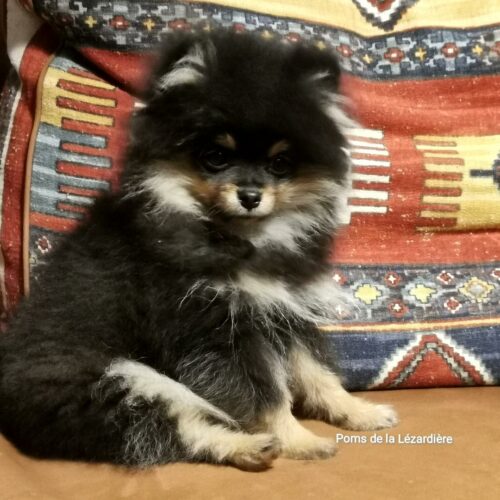
SALTO – 5 months old
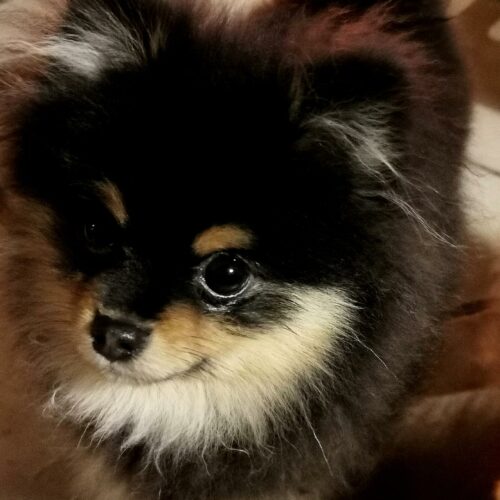
7 months old
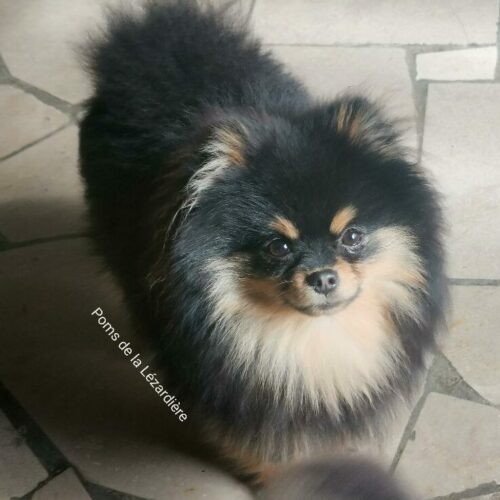
9 months old
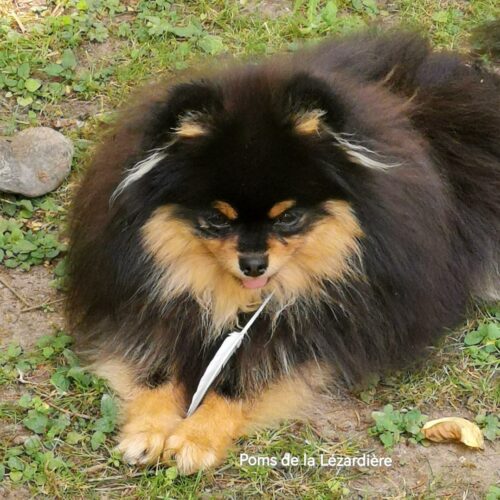
13 months old
I – The First Shed
The most significant shedding occurs during the Spitz’s early puppyhood, generally between 4 and 7 months.
In some, it may appear later, between 11 and 14 months.
It is also possible for a puppy to go through both shedding phases in quick succession.
During this period, the puppy may lose a large amount of fur, sometimes almost all of its juvenile coat. This is colloquially referred to as a “monkey face,” due to the temporarily bald appearance of the face.
There is no need to worry: this is a natural phenomenon. The adult coat will gradually grow back, denser and more structured.
From around 8 months of age, the coat begins to transform and fill in, developing into the adult coat.
Special case: gradual shedding
Some dogs experience a more subtle and gradual shedding.
In this case, the puppy fur falls out as the adult coat grows. The transformation is then less spectacular and can go almost unnoticed.
Let’s take Sia’s and Saphir’s moult
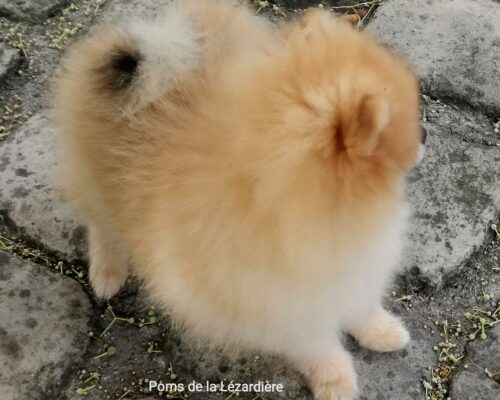
SIA – 3,5 months old
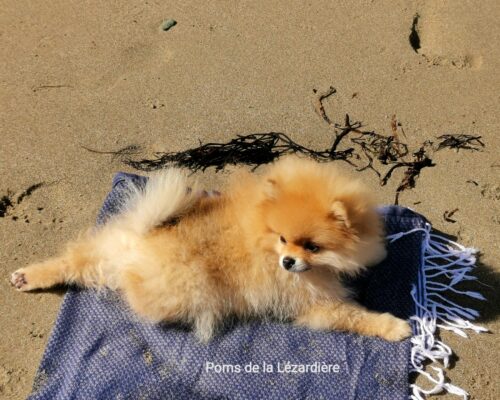
4 months old
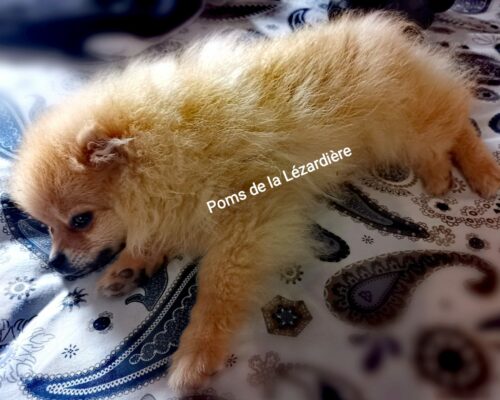
4,5 months old

SAPHIR – 3,5 months old
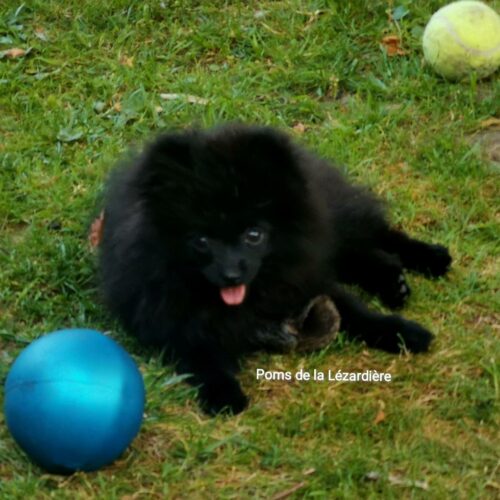
4 months old
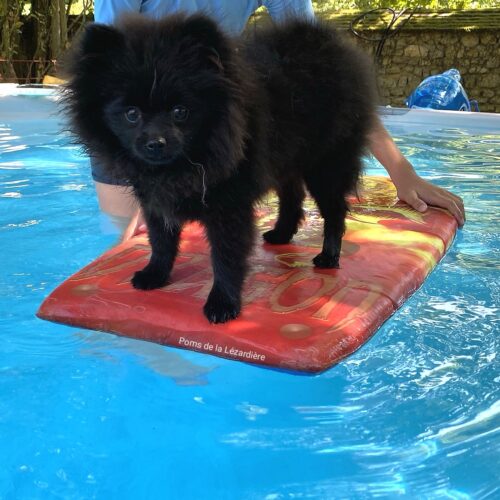
4,5 months old
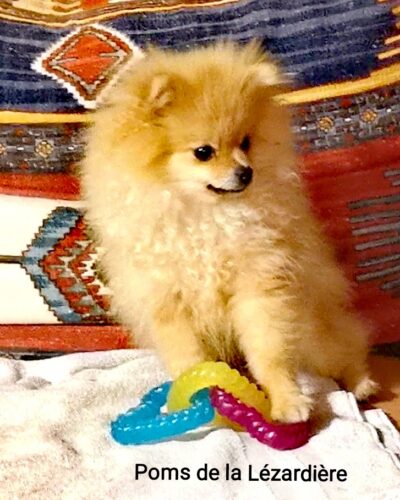
SIA – 5,5 months old
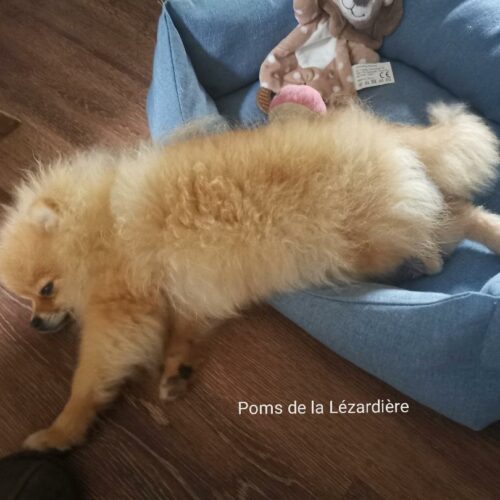
6 months old
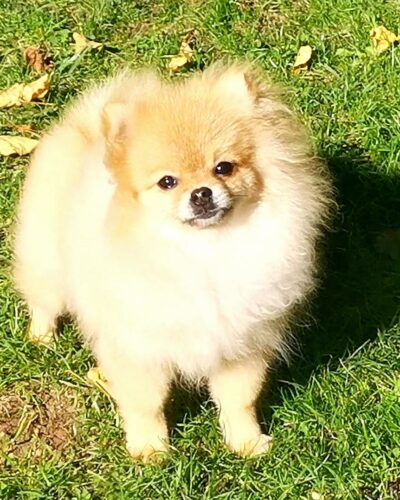
7 months old
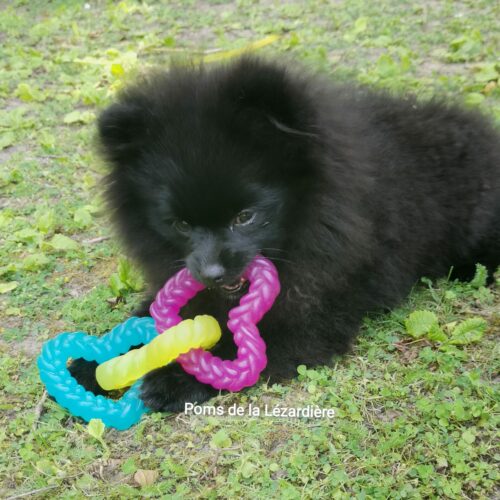
SAPHIR – 5 months old
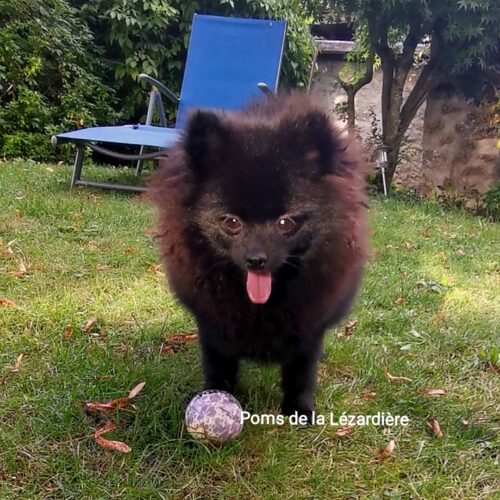
6 months old
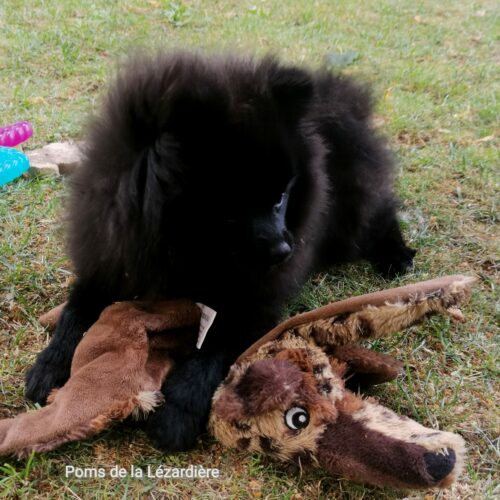
7 months old
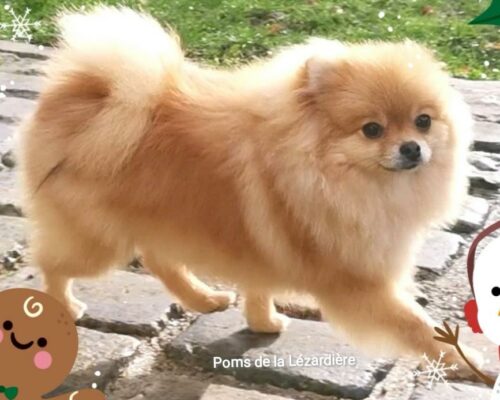
SIA – 8 months old
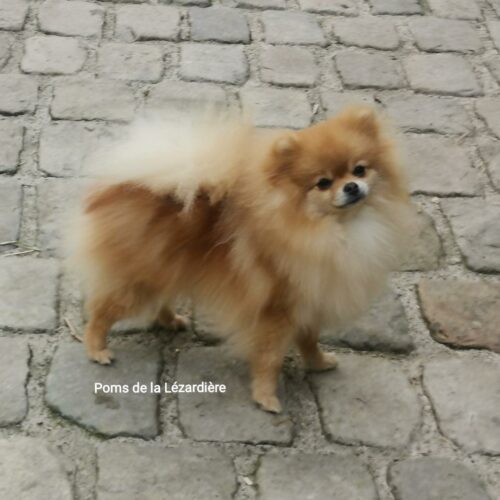
9 months old
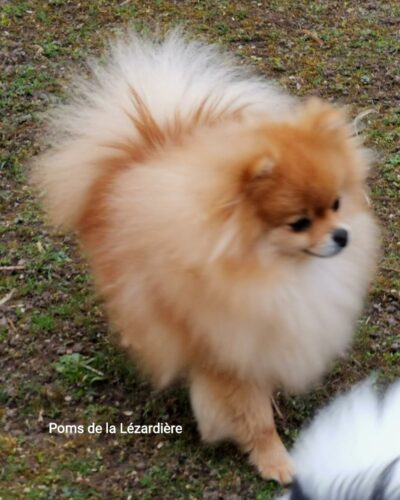
10 months old
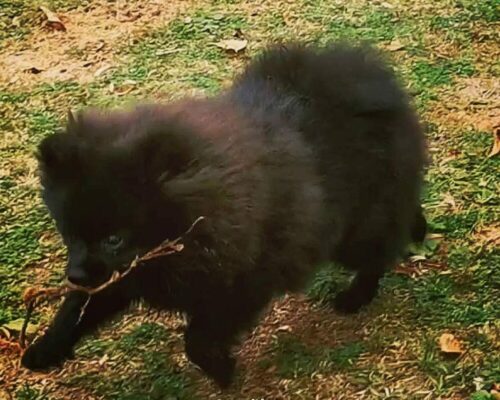
SAPHIR – 8 months old
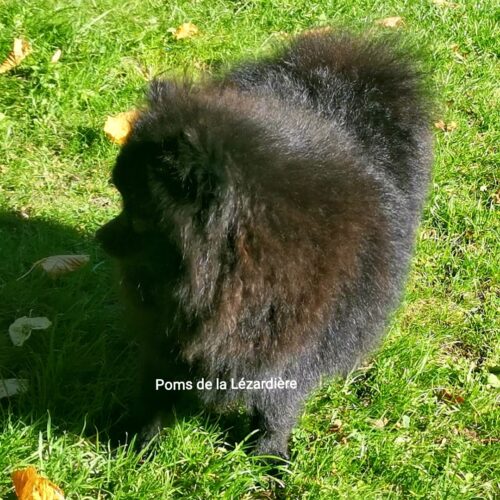
9 months old

10 months old
Why does coat color change as a dog grows?
In Pomeranians, it’s perfectly normal for their coat color to change over the months.
This transformation is directly related to growth and the juvenile molt, which replaces the puppy coat with the adult coat. This intense molt results not only in sometimes dramatic hair loss but can also alter the overall appearance of the coat.
In addition to the amount of hair, changes in shade, intensity, or even distribution of color are often observed. This phenomenon is particularly noticeable in Pomeranians with orange, fawn, or brown coats, where variations in tone are easier to perceive.
Several factors explain these changes:
Puppy molting
The puppy’s fur is gradually replaced by the adult coat. This transition can alter the color, intensity, or overall appearance of the coat.
Pigment evolution
The natural pigments—eumelanin (dark) and pheomelanin (light)—can be expressed differently over time.
A very dark puppy may lighten, while a light puppy may see its color deepen or become warmer.
The appearance or fading of black markings
In sable or orange coats, the dark tips, known as “black markings,” may diminish or, conversely, become more pronounced as the dog grows.
Undercoat density and light
The denser adult undercoat alters the visual perception of color. It can give the coat a lighter, warmer, or sometimes slightly cooler appearance.
Let’s take the moult of Pom, a charcoal orange male
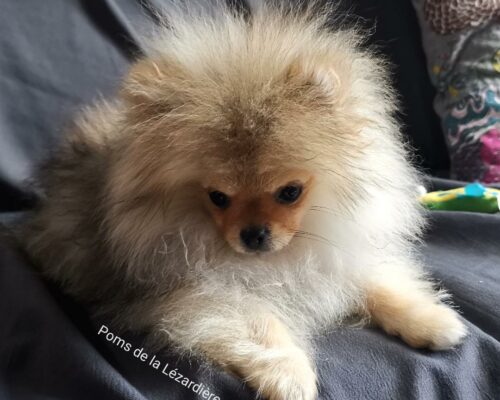
POM – 6 months old
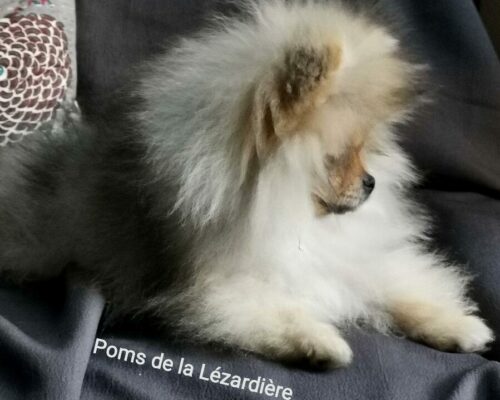
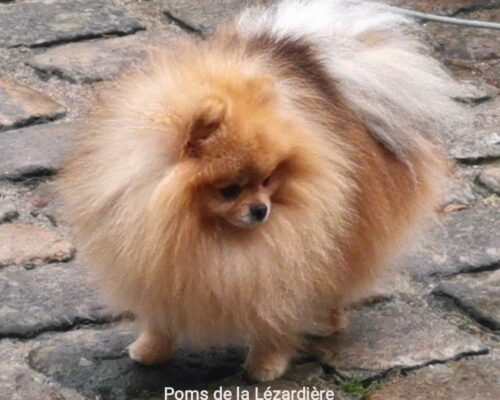
POM – 36 months old
Daily deep brushing is essential to remove dead hair and properly support this period of transformation.
Its coat continues to grow and thicken until the end of its second year, gradually evolving into its adult coat.
To better understand these essential stages and adapt your grooming routine as the months go by, we invite you to consult the chapters dedicated to growth and grooming, which detail the Spitz’s development and the appropriate care for each stage of its life.
Normal and Abnormal Hair Loss in Puppies
Hair loss in puppies is perfectly normal, especially during shedding seasons. However, not all hair loss is harmless.
“Take your puppy in for a thorough examination if it exhibits unusual hair loss or any of the following symptoms,” advises Dr. Klein.
Signs to watch for:
Bald patches or hairless areas
Dry or flaky skin
Redness or skin inflammation
Significant loss of clumps of hair
Excessive or persistent scratching
These symptoms may indicate a condition called alopecia. This can be linked to various underlying problems, such as:
The presence of parasites (fleas, ticks, mites)
Fungal or bacterial infections
Certain diseases such as Cushing’s disease or inflammatory bowel disease
Hormonal imbalances
An inappropriate diet
Stress
All these conditions require accurate diagnosis and appropriate treatment by a veterinarian.
Reference : akc.org – American Kennel Club
II – Seasonal Shedding
The Spitz’s coat is described as “complex” or “double” because it is composed of two types of hair:
long, strong outer hairs, called guard hairs;
a dense, soft, woolly undercoat, called down.
A dog’s hair grows, dies, falls out, and is constantly renewed.
Shedding is a period of increased hair loss. It plays a vital role in thermoregulation, allowing the dog to adapt to climatic variations.
It is generally more pronounced in spring and autumn, during significant changes in temperature and daylight. Shedding lasts on average about three weeks. These seasonal changes trigger the process.
1 – The Spring Shed
The spring shed is the most significant.
The thick undercoat accumulated during the winter gradually falls out, while the outer coat remains to protect the skin from the sun’s rays.
This shedding of down allows the skin to breathe better and helps the dog cope with the warmer summer temperatures.
2 – The Autumn Shed
The autumn shed is generally less dramatic.
The denser, thicker winter coat gradually takes over. The undercoat thickens to provide better insulation against the cold, while the outer coat protects against rain and inclement weather.
Note: Regular brushing promotes the removal of dead hair and stimulates regrowth, thus contributing to a healthy coat.
III – Postpartum moult
Let’s take the moult of mother Prune after the birth of her 5 puppies.
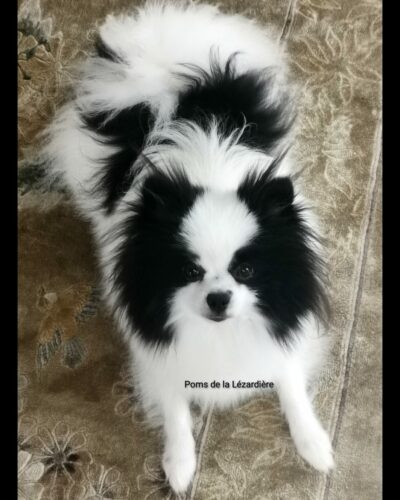
Prune – 1 month later
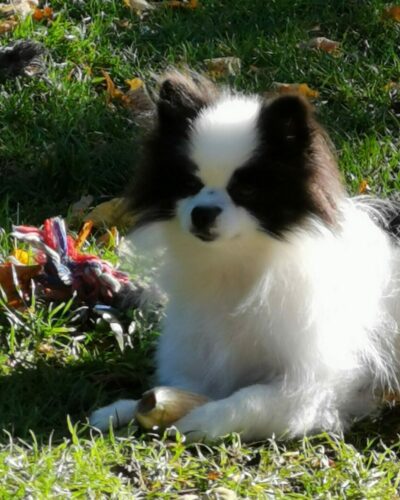
4 months later
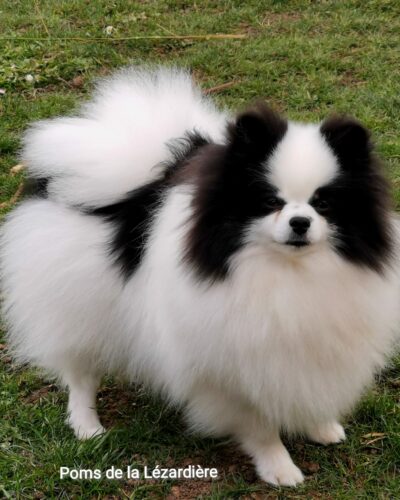
8 months later
Postpartum shedding, also known as telogen effluvium, is a common hair loss in female dogs after giving birth or during lactation.
Why?
After pregnancy, significant hormonal changes cause many hairs to simultaneously enter the resting phase (telogen phase). These hairs then fall out in large quantities, sometimes several weeks after giving birth.
How does it manifest?
Significant hair loss, often in large clumps
Hair loss is generally symmetrical on the flanks, back, and sides
Skin appears normal (without redness or inflammation)
This shedding can occur up to three months after giving birth.
What to do?
Brush regularly to remove dead hair
Ensure a diet adapted to the needs of a pregnant or lactating dog
Consult your veterinarian if necessary
Key takeaway: Postpartum shedding is a natural and temporary phenomenon. The coat usually grows back within a few months.
⚠️ If hair loss persists beyond three months, worsens or is accompanied by unusual symptoms (redness, itching, fatigue), a veterinary consultation is recommended.
Reference : Cuteness.com – by Colleen O’Brien
The dog’s hair
Here is an article about dog hair that I find interesting.
I recommend visiting the website chien.com,
which explains:
1. What is the purpose of a dog’s coat?
2. The structure of the dog’s coat
3. The structure of the dog’s skin
4. The growth cycle of the dog’s hair
5. Coat types in dogs
6. The colour of the dog’s coat
7. Coat changes over time
8. The moulting of the dog’s hair
9. The beauty of the coat reflects the health of the dog

