

Herbs and plants that are safe for our dogs
Many aromatic herbs are good and beneficial for your dog or cat. These include basil, sage, parsley, rosemary, coriander, lavender, etc.
Here is a list of 20 aromatic herbs followed by a list of 20 safe plants.
Non-exhaustive lists in alphabetical order.
Here are some other non-toxic trees:
Birch, maple, ash, male ginkgo biloba (the female is toxic), magnolia, white poplar, willow, linden…
Be careful with fruit trees, as fruit pits and seeds are poisonous.
Beware of these species: Walnut, Hazel, Beech, Oak. The tree itself is not toxic, but the fruits are dangerous (walnuts, hazelnuts, beechnuts, acorns)…
Heathers, nasturtiums, celosias (Celosia globosa, Celosia plumosa, and Celosia spicata), fuchsias, impatiens, marigolds, petunias, pansies, violets, and zinnias are safe.
Herbs
Some fresh (or dried) herbs are harmless to our dogs and may even be beneficial to their health.
When introducing new natural medicinal plants to your dog, it is essential to start with small amounts and observe their reaction. Some dogs may have specific sensitivities or allergies, so always monitor them for any adverse reactions.
Consult your veterinarian to ensure that the plants you choose are suitable for your dog’s specific needs and health condition.
Fresh herbs tend to retain more of their natural oils and potency, making them more effective. Dried herbs are more convenient and have a longer shelf life.
It is also important to know what not to give your dog. Allspice, bay leaves, cloves, curry, hops, marjoram, mustard seeds and paprika are all dangerous. Garlic, onions and chives are toxic.
We will see that in the next chapter.
1-Basil
(Ocimum basilicum)
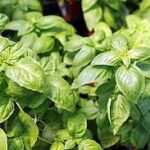
It provides essential vitamins and helps to naturally relieve your pet’s joint pain. A pinch sprinkled in their food bowl stimulates their appetite and strengthens their immune system.
Holy basil (much sweeter than sweet basil), also known as tulsi, has adaptogenic properties, which means it helps the body adapt to stress. It can help dogs cope with anxiety, promote mental well-being, and strengthen the immune system.
Lamiaceae family: mint, thyme, rosemary, lavender, sage, wild thyme, lemon balm, basil…
2-Cornflower
(Centaurea cyanus)
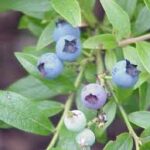
Blueberries are an excellent low-calorie treat for dogs. They also contain antioxidants, fiber, and vitamins C and K. These nutrients support the immune system and contribute to overall health.
Ericaceae family: blueberry, bilberry, arbutus, heather, cranberry
3-Calendula officinalis

Or Calendula officinalis
It is renowned for its healing properties and can be beneficial for dogs suffering from skin irritations or wounds. It has anti-inflammatory and antimicrobial effects, which promote skin health and support the healing process.
Asteraceae family: yarrow, dandelion, burdock, mugwort, chamomile
4-Chamomile
(Chamaemelum nobile)
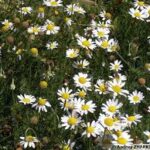
Also called chamomile
This gentle plant helps to calm anxiety, promote relaxation, and aid digestion. It can also relieve skin irritations and allergies.
Asteraceae family: yarrow, dandelion, burdock, mugwort
5-Cranberry
(Vaccinium macrocarpon)

It is an herb (and fruit) that can be beneficial for the health of dogs’ urinary tracts. It helps prevent bacteria from adhering to the walls of the urinary tract, thereby reducing the risk of urinary tract infections.
Marshmallow root is another herb that can soothe and support the urinary system in cases of inflammation or irritation.
Cranberry: Ericaceae family: blueberry, bilberry, arbutus, heather, lingonberry
Marshmallow: Malvaceae family
6-Coriander
(Coriandrum sativum)
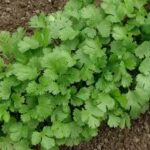
It is packed with beneficial nutrients: iron, calcium, and vitamins A and C. Adding a sprig of this aromatic herb to your daily diet helps keep your coat healthy and strengthens your natural defenses, as well as supporting kidney function.
Apiaceae family: parsley, dill, caraway, cumin, coriander, chervil… but also carrots, celery (leaves and root), fennel
7-Turmeric
(Curcuma longa)

Known for its anti-inflammatory properties, turmeric can relieve joint pain, support a healthy immune system, and aid digestion.
Famille des Zingibéracées : le gingembre, la cardamome
8-Echinacea
(Echinacea angustifolia)

Renowned for its immune-boosting properties, echinacea helps dogs fight infections, accelerate wound healing, and strengthen their overall resistance to disease.
Asteraceae family: yarrow, dandelion, burdock, mugwort
9-Ginger
(Zingiber officinale)

A versatile herb, ginger aids digestion, reduces nausea and vomiting, and relieves discomfort caused by motion sickness.
Zingiberaceae family: turmeric, cardamom
10-Lemon balm
(Melissa officinalis)

Lemon balm, known for its lemon-scented leaves and medicinal properties, is non-toxic. As a dietary supplement, it can naturally help relieve many health problems in dogs and cats, including digestive disorders, separation anxiety, stress, irritability, and sleep disorders.
Lamiaceae family: mint, thyme, rosemary, lavender, sage, wild thyme, lemon balm, basil…
11-Peppermint
(Mentha x piperita)
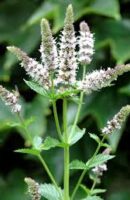
An excellent digestive aid. This herb, rich in antioxidants, contributes to healthy bowel function.
Mint is an herb that can help maintain fresh breath and good oral hygiene.
Like peppermint, fennel, ginger, marshmallow root, and red elm can aid digestion, relieve stomach upset, and reduce gas in dogs.
Lamiaceae family: mint, thyme, rosemary, lavender, sage, wild thyme, lemon balm, basil…
12-Mullein
(Verbascum)
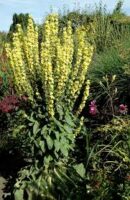
A plant that can contribute to dogs’ respiratory health. It helps calm coughs and can be beneficial for dogs suffering from respiratory infections or chronic bronchitis.
Licorice root is another plant known for its expectorant properties and can help clear mucus from the respiratory tract.
Mullein: Scrophulariaceae family
Licorice: Fabaceae family
13-Blueberry
(Vaccinium myrtillus)

This plant can be beneficial for dogs’ eye health. It contains antioxidants that promote good vision and support overall eye health.
Ericaceae family
14-Oregano
(Origanum vulgare)

It is rich in antioxidants and antimicrobial properties. It can support the immune system, aid digestion, and have potential anti-inflammatory effects. However, it is important to use oregano in moderation, as excessive amounts can cause digestive upset.
Lamiaceae family: mint, thyme, rosemary, lavender, sage, wild thyme, lemon balm, basil…
15-Parsley
(Petroselinum crispum)
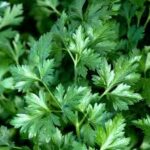
It is packed with beneficial nutrients: iron, calcium, and vitamins A and C. Adding a sprig of this aromatic herb to your daily diet helps keep your coat healthy and strengthens your natural defenses, as well as supporting kidney function.
Apiaceae family: parsley, dill, caraway, cumin, coriander, chervil… but also carrots, celery (leaves and root), fennel
16-Pimpernel
(Poterium sanguisorba)
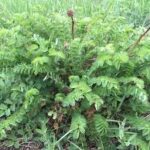
A delicious herb known for its cucumber flavor and vibrant foliage. It is non-toxic to pets.
Rosaceae family
17-Dandelion
(Taraxacum officinale)

Often considered a powerful detoxifying plant, dandelion contributes to liver health, aids digestion, and may be beneficial for dogs with allergies.
Asteraceae family (formerly Compositae family): yarrow, dandelion, burdock, mugwort
18-Rosemary
(Salvia rosmarinus)
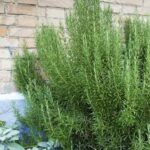
Used in moderation, rosemary is a fragrant herb that offers many health benefits for dogs. It contains antioxidants, aids digestion, and can help improve cognitive function.
Lamiaceae family: mint, thyme, rosemary, lavender, sage, wild thyme, lemon balm, basil…
19-Wild thyme
(Thymus serpyllum)

It is not dangerous for dogs or cats when consumed in small quantities. As with any aromatic plant, excessive ingestion can cause mild digestive upset, but simply sniffing or tasting a sprig does not pose a major risk.
Lamiaceae family: mint, thyme, rosemary, lavender, sage, wild thyme, lemon balm, basil…
20-Thyme
(Thymus)
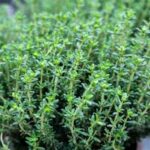
Thyme is an aromatic herb with antiseptic and expectorant properties. As a mild infusion, it can help relieve respiratory congestion in dogs.
Lamiaceae family: mint, thyme, rosemary, lavender, sage, wild thyme, lemon balm, basil…
My dog eats grass
A dog that eats grass is not at great risk. It even helps with intestinal transit, eliminates certain parasites, and soothes irritation. When an animal eats grass, it is common to see it vomit afterwards. This can be interpreted as a form of purging. This behavior can also be induced by instinct.
Moderate consumption of grass remains safe, but certain precautions should be taken. Pay particular attention to lawns that have recently been treated with pesticides, which pose a real risk of poisoning.
When walking, stick to natural areas and avoid the edges of cultivated fields where pesticides may be present. If your garden has a lawn, opt for organic maintenance solutions.
Special attention should be paid to signs of excessive ingestion: abnormal salivation, lethargy, or repeated vomiting require prompt veterinary consultation.
Plants that pose no danger
1-Hawthorn
(Crataegus Monogyna)

This hedge has beautiful flowers and is safe for dogs and cats.
In excessive doses, it could have a depressant effect on the heart and damage liver cells.
Rosaceae family
2-Indoor banana plant
(Musa acuminata)

It will delight lovers of large green plants. Its exotic look adds a lush touch to your decor.
Musaceae family
3-Benoîte
(Geum urbanum)
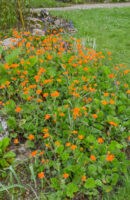
Non-toxic, it has no nutritional value and is known for its astringent properties (treatment of gastrointestinal disorders and inflammation of the mouth and throat).
Rosaceae family
4-Bromeliad

It is a colorful plant with wonderful texture and crowned with a flower.
Bromeliaceae family
5-Calathea

This tropical plant with decorative foliage is an excellent choice for pet owners.
Marantaceae family: Maranta, Calathea
6-Chain of hearts
(Ceropegia woodii)

The plant is not toxic to humans or pets.
It is a succulent plant.
Therefore, you should not water it often, as it stores water in its tubers and leaves.
7-Episcia

Safe plant for the home as it is not toxic to animals or children.
Gesneriaceae family: Saintpaulia, Episcia, Chirita, Gesneria, Columnea, and Streptocarpus…
8-Boston fern
(Nephrolepis exaltata)

It also deserves a place in your home. Its delicate fronds create a soothing atmosphere while remaining perfectly safe for your curious pets. It is particularly well suited to bright spaces without direct sunlight.
Nephrolepis family (although some botanists classify it as Dryopteridaceae)
Other non-toxic ferns: Phlebodium aureum ‘Davana’, Phlebodium blue star, Polystichum tsussimense
9-Strawberry plant
(Fragaria)

Strawberry plants are not poisonous, but their leaves and stems (if ingested) can cause digestive problems in your dog.
Strawberries are well known for their high water content, which is beneficial for your dog’s hydration. They are also rich in fiber, which helps ensure healthy digestion.
Rosaceae family
10-Lavender
(Lavandula)

The plant itself is only slightly toxic. Your dog would have to ingest a large amount for it to be harmful.
Lamiaceae family: mint, thyme, rosemary, lavender, sage, wild thyme, lemon balm, basil…
11-Morgane’s stonecrop
(Sedum morganianum)

Also known as “donkey’s tail,” this pretty plant loves bright light and requires little watering. However, it is very fragile and will tend to break if knocked.
Crassulaceae family
12-The Areca palm tree
The Kentia palm tree

These palm trees are not toxic to humans or pets.
Palm tree family
13-Silver peperomia
(Peperomia argyreia)

With its distinctive leaves, reminiscent of watermelon, this plant prefers indirect light and high humidity.
Piperaceae family
14-Pilea peperomioides

Better known as “Chinese money plant,” this very popular plant is easy to grow. It needs little watering but likes high humidity.
Urticaceae family
15-Creeping cinquefoil
(Potentilla reptans)

It is sometimes called five-leaf grass or Mars’s hand. It is not toxic, but it is not consumed as food. It is used solely for therapeutic or medicinal purposes.
Rosaceae family
16-Meadowsweet
(Filipendula ulmaria)
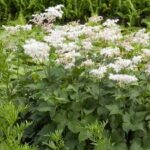
Meadowsweet is a valuable natural ally for dogs suffering from joint problems, gastrointestinal disorders, or a weakened immune system. Use in small quantities.
Rosaceae family
17-Common bramble
(Rubus plicatus)

The common bramble is non-toxic, making it a safe addition to pet-friendly gardens.
Common bramble berries are rich in vitamins A and C, which are beneficial to overall health when consumed in moderation.
Rosaceae family
18-Rose bush
(Rosa)

The rose bush does not pose a risk of poisoning to our pets if they happen to nibble on its leaves or flowers.
Rosaceae family
19-Tillandsia
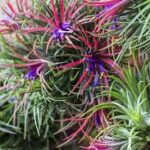
Also known as air plants, they are not toxic to pets or children.
Bromeliaceae family
20-African violet
(Saintpaulia)

For lovers of bright colors, the African violet is definitely the perfect choice. It requires little maintenance and prefers strong indirect light.
This flower is one of the most harmless to pets.
Gesneriaceae family: Saintpaulia, Episcia, Chirita, Gesneria, Columnea, and Streptocarpus…