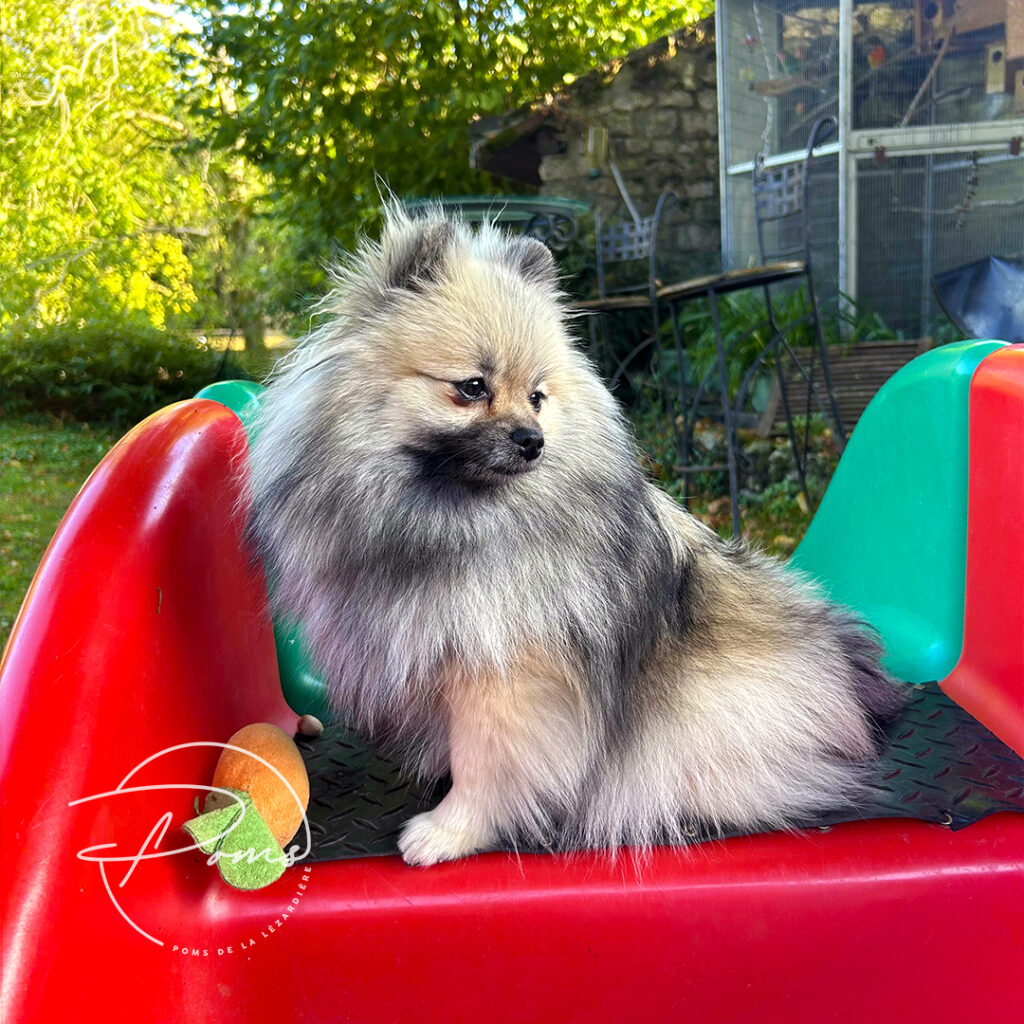
Good vegetables and fruits for dogs
In addition to their regular food, dogs can be offered certain fruits and vegetables in small quantities. Rich in vitamins, fiber, and nutrients, they make a valuable natural supplement to diversify their diet. Thanks to their high water content, some can also help provide hydration, especially during periods of hot weather. However, it remains important to choose foods specifically formulated for dogs and to give them in moderation.
Liste, non exhaustive, faite par ordre alphabétique.

Be careful that your dog does not swallow the stones. These contain amygdalin, which releases toxic cyanide during digestion. They also pose a risk of choking and intestinal blockage.
Carrot
Carrots are a rich source of vitamin A and beta-carotene. These two nutrients help protect your dog’s liver and maintain healthy eyesight. Beta-carotene prevents the onset of cataracts and possible degeneration of the eye. The fibre contained in carrots and their low calorie content will help overweight dogs to lose weight.
Carrots should be eaten well cooked.
Cucumber
It is one of the few vegetables that can be eaten raw.
Cucumbers are rich in vitamins K and C, potassium and magnesium, which boost the immune system and strengthen bones. They are the perfect treat for keeping dogs hydrated in hot weather.
It is beneficial for diabetic dogs and helps keep your pet hydrated. Composed of approximately 95-96% water, it is a very useful supplement if your dog has difficulty drinking water.
Cucumbers contain phytochemicals that help combat bad breath.
Pumpkin, squash
These cucurbits are rich in water, fibre, zinc, iron, β-carotene, vitamin A and K. As with carrots, their high β-carotene content is said to promote a beautiful coat and healthy skin. These vegetables should always be eaten cooked; they are very digestible and filling.
Courgette
Courgettes are very rich in vitamins C and K, as well as water, and are very low in calories, making them very useful for increasing satiety in dogs that overeat and helping with weight management. They are also useful for helping to hydrate dogs that do not drink enough, or in cases of urinary problems, or in hot weather. Courgettes should always be eaten cooked.
Strawberry
Strawberries are rich in water and fibre. They contain vitamin C, iron, calcium, magnesium, potassium and folic acid, as well as substances with antioxidant properties. These nutrients naturally strengthen the immune system.
Although low in calories, they are still high in sugar and, like all fruits, should not be consumed in excess.
Be sure to cut them up into pieces that are appropriate for your dog’s size and remove the tail to prevent choking.
Green bean
Green beans are very rich in fibre and water, making them an excellent food for helping gluttonous dogs feel full and promoting weight loss. They are also very rich in vitamins. It is essential that they are thoroughly cooked before consumption, as raw green beans are indigestible and toxic to dogs.
Lamb’s lettuce
This type of salad is very rich in fibre, water, vitamin B and also omega 3, which is rarer for a vegetable. It should be eaten cooked or blended. It is very low in calories and very easy to digest.
Mango
Mangoes are beneficial to human health, but also to dogs. They are full of vitamins A, B6, C and E. Mangoes contain antioxidants that protect dogs from disease and strengthen their immune systems. Rich in water, they help keep dogs well hydrated. Be sure to remove the pits, which are toxic to your pet because they contain cyanogenic glycosides and may pose a choking hazard.
Melon
Melon is a source of vitamins A and E, rich in water, and ideal for combating the heat.
Be sure to remove the seeds and not give your dog the skin, as these parts are indigestible for dogs and can cause digestive problems.
Blueberry
Blueberries are rich in vitamin C, fibre, antioxidants and phytochemicals. They help your dog fight cellular and molecular damage and reduce the effects of brain ageing or the onset of possible tumours.
Watermelon
Watermelon is rich in beta-carotene, magnesium, potassium, vitamins A and C. Dogs love its sweet taste and refreshing effect. Composed of approximately 90% water, it perfectly hydrates your dog.
It can therefore be the perfect treat for dogs during hot weather to rehydrate them.
However, care must be taken to remove the seeds and not to feed the skin, as these elements are indigestible for dogs and will cause digestive problems.
Sweet potato
Sweet potatoes are rich in vitamins, antioxidants and minerals. Their sweet taste makes them very popular. They should be eaten well cooked and preferably cut into pieces or mashed to make them easier to digest. Despite their low glycaemic index, they are still higher in energy than the other vegetables mentioned, so less should be given.
Peach
Peaches are high in fibre, vitamin A, antioxidants and iron.
Be careful that your dog does not swallow the stones. These contain amygdalin, which releases toxic cyanide during digestion. They also pose a risk of choking and intestinal blockage.
Pear
Rich in vitamins A, B1, B2, C, E and K, antioxidants and folic acid, pears are a food that contributes to the nutritional and health well-being of your canine companion. They strengthen your dog’s immune system and promote healthy cell renewal.
Care must be taken to remove the seeds, which are poisonous.
Apple
Apples are rich in antioxidants, vitamins C and A, fibre and water. They are not too high in calories but, like all fruits that contain sugar, they should not be eaten in excess. Apples are ideal as a snack during hot weather because they are rich in water.
Be sure to remove the stem, leaves, core and seeds, which contain cyanide and are therefore toxic. The skin contains a large amount of vitamins, but be sure to wash your apple thoroughly to remove as much pesticide as possible.
Cut the apple into pieces small enough to prevent your dog from swallowing them whole and choking.
Pumpkin
Pumpkin is rich in fibre and beta-carotene. The fibre and high water content can greatly help dogs suffering from constipation. It is important to remove the leaves, skin and seeds.